6 Tell-Tale Signs that Your Elderly Dog May Need an Orthopaedic Bed
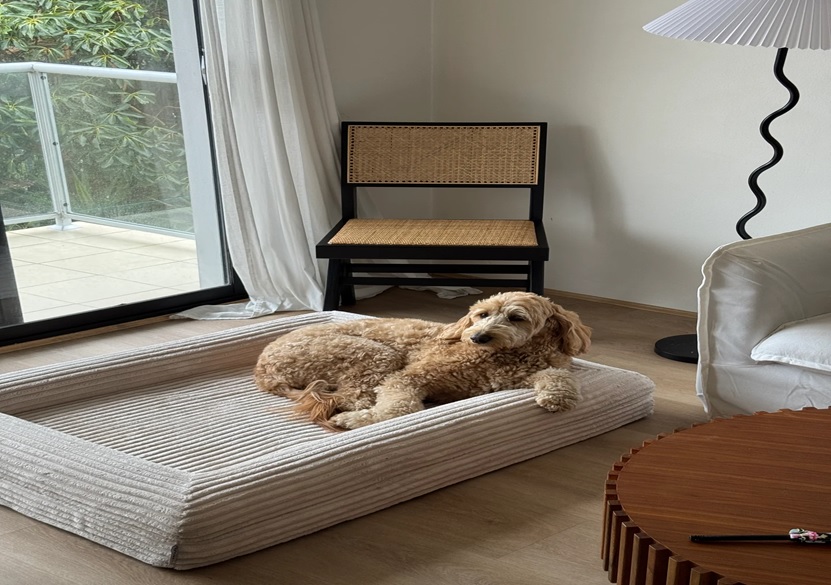
Photo by Cosi Beds
There’s one thing all dog owners can agree on, and it’s that their beloved fur babies get old way too soon. If you have an elderly dog, you may already have started noticing that their faces are getting grey, they’re slowing down in their usual play routine, and they may even have become more susceptible to infections and genetic conditions.
Another clear sign that your fur baby is getting older is that they seem to be more uncomfortable when they’re sleeping or napping. It’s with this in mind that many dog owners are switching to more orthopaedic dog beds that are designed to offer comfort during the ageing process. This post takes a look at other signs that let you know it may be time to upgrade your dog’s bed.
Understanding Orthopaedic Dog Beds
Orthopaedic dog beds are becoming increasingly more popular across Australia, and it’s easy to see why. Essentially, traditional dog beds are made to resemble giant pillows, which means they’re typically filled with cotton filling, cedar chips, or even polyester. While these beds may be affordable and soft, they don’t always offer the best support.
Fortunately, modern orthopaedic dog beds have been designed using memory foam and a series of other hypoallergenic materials to create a thicker, more durable bed with enhanced support. In a perfect scenario, your dog shouldn’t feel the floor through their mattress. Orthopaedic beds offer the additional padding and support that your elderly dog will need for maximum support.
Look Out for the Signs
There are many signs that you can look out for when you’re trying to decide whether or not your dog needs a new bed upgrade. Our team of pet experts have compiled a list of the top signs that indicate your dog will benefit from an orthopaedic bed.
1. Difficulty Getting Up
One of the clearest indicators that your older dog is sleeping on an uncomfortable bed is if they struggle to get up from the floor or the spot where they usually sleep. This can be a clear sign that their bodies are sore from sleeping on a surface with little or no support.
2. Your Dog Has Started Limping
Some dog breeds are more susceptible to the ailments associated with ageing. Dog breeds such as German Shepards and the various oodle types (poodle plus another breed) are usually typical examples of these.
Joint pain is one of the top signs that your dog is ageing, and you’ll see this if they favour one leg or limp when they get up from lying down for too long. In addition to buying an orthopaedic bed, you should also take your pet for a comprehensive medical exam. A combination of a comfortable bed and the right medication may add quality to their remaining years.
3. Restlessness When They Sleep
Your dog may have been one of those fur kids who can plonk down and sleep soundly just about anywhere. However, if you’ve started noticing that your pet is restless when they’re sleeping, or constantly getting up and changing positions, it could be a sign that they are experiencing pain.
This is common for pets who sleep on a thin, layered pillow or bed on the floor. In this instance, it’s a good idea to invest in a memory foam bed as these will offer a more comfortable sleeping experience.
4. Avoiding their Usual Fun Activities
Some dogs are very active and are continuously looking for the next adventure. However, if you’ve noticed your older dog shying away from their usual activities, it’s a sign that something is wrong.
This usually happens when the pain of hip dysplasia and the symptoms of joint pain start to ail them. These symptoms can be aggravated by sleeping on a hard, uncomfortable floor. You can ease these symptoms by investing in an orthopaedic bed with extra support.
5. Sleeping in Unusual Places
Dogs are generally creatures of habit. Once they have found a comfortable place to sleep, they can easily sleep there for years. However, if your dog has recently started sleeping in a new spot or tries to get on your bed every night, they may be avoiding their usual bed because it has become uncomfortable. They may be seeking a new, softer, or even cooler spot.
6. They’re of a Certain Age
Your dog may have had a very active life and seem as healthy as ever, but our veterinary experts recommend that any dog above the age of eight years should be given an orthopaedic bed. Dogs of this age are more susceptible to joint wear and hip dysplasia.
Final Thoughts
If your dog is older or has started displaying any of the signs we’ve highlighted, it may be time to invest in an orthopaedic dog bed. Doing this will ensure that you give your elderly fur baby all the support and comfort they need as they navigate the ageing process.
Combine a new bed with a vet checkup to ensure that your pooch has the best care for any age-associated ailments. It’s the least you can do for a pet that has devoted its whole life to your family.