Signs To Observe in a Cat With Pale Nose
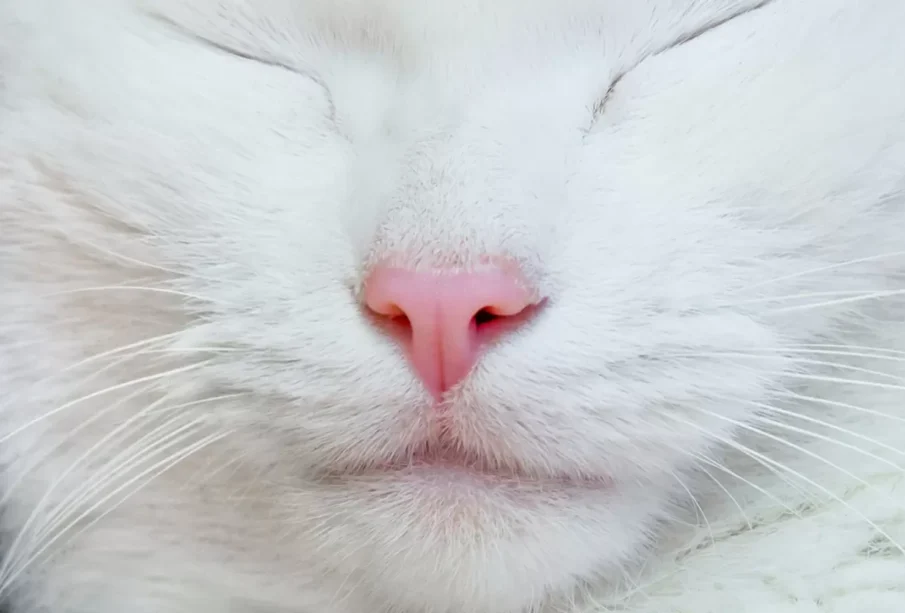
The colour of the nose of a cat may vary slightly as the weather, sleeping or excitement changes normally. An abnormally pale nose may occasionally be the sign of a hidden health issue that may be monitored. This guide describes the symptoms that need to be observed in a cat with a pale nose (แมวจมูกซีด) and when it is necessary to seek professional advice.
Explaining the signs to watch in a cat with a pale nose
Changes in gum and skin colour
The colour of nose pales is usually the easiest to evaluate with other parts of the body. Examining the inner ear skin and gums may give a better insight into the overall colour variations. Symptoms to watch and a pale nose, include:
- Pale or whitish gums: Gums that are not pink as they typically are may be as a result of decreased blood circulation or a decrease in the number of red blood cells.
- Pale inner ear skin: Examining the thin inner ear skin to see whether it is paler in colour than the nose can help determine whether changes in colour go past the nose.
- Lighter paw pad colour: A lightening of the normal paw pad colour can represent the same changes that occur in the nose and gums.
- Comparing to normal baseline: Observing the normal colouring of the cat will help determine whether there is really a significant change.
Behavioural changes worth noting
When a nose is pale it does not necessarily mean that there is anything wrong with it, though changes in behaviour are likely to shed some light on the issue. The general attitude can create a clear image of the wellbeing of cats. The behavioural signs to be noted in combination with a pale nose are:
- Reduced energy levels: It may be relevant in addition to colour change to notice that there is an increase in lethargy or unwillingness to participate in normal activity.
- Changes in appetite: The loss of appetite might be related to additional manifestations of a health problem.
- Increased hiding behaviour: Cats who are hiding more than normal may be reacting to not feeling well.
- Altered breathing patterns: The fast or laboured breathing and possibly a pale nose deserves a closer look.
Physical signs that may accompany pale nose colour
Along with colour and behaviour, there are also some physical indicators that may be used to enrich the picture of the overall state of a cat. These symptoms can be observed even in the short term. Physical symptoms possibly associated with a pale nose include:
- Weakness or wobbliness: Existence of balance problems or an overall weakness in general can also be important in conjunction with the paleness of the nose or gums.
- Cold extremities: Paws or ears that are colder than normal could be associated with changes in the circulation that should be monitored.
- Visible weight changes: Evidence of weight loss with additional symptoms might indicate a problem that needs to be evaluated.
When professional advice should be sought
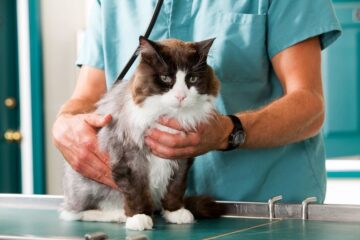
Although the cases of mild paleness can not necessarily be a sign of a severe problem, the combinations of some signs should immediately be taken to the veterinarian. Knowing when it is necessary to consult helps with timely care. There are circumstances in which veterinary care is recommended which include:
- Persistent pale colouring: Pale nose colour, not regaining normalcy after some time, is to be evaluated by a vet.
- Multiple signs occurring together: Combination with lethargy and changes in appetite should be the reason to visit the vet.
- Sudden onset of paleness: Rapid change of colour, as opposed to a gradual change, is usually thought to be a more urgent condition.
- Any signs of distress: Challenges with breathing or evident distress and paleness are to be given a high priority to examine by a veterinarian.
Conclusion
Looking at the colour of gum, behaviour and state of a cat with a pale nose adds up to create a better image of the wellbeing. Continuous or cumulative signs are regularly evaluated under the watch of a veterinarian.