Transforming Reactive Dogs into Confident Companions: Inside Walnut Creek’s Behaviour Training Approach
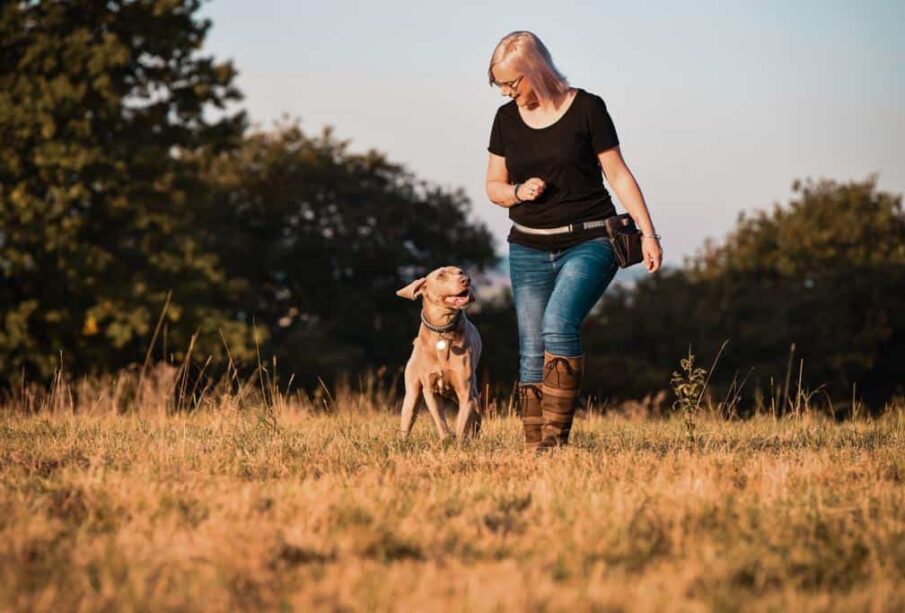
Dog training is not just about teaching obedience commands. It is about communication, confidence, and mutual respect between a dog and its owner. Many families in Walnut Creek discover that their biggest challenge is not teaching “sit” or “stay,” but helping their dogs overcome reactivity, fear, or anxiety. That is where Dog Dynamics, Inc. plays an essential role, offering customised training programs that address deeper behavioural issues while strengthening the bond between pets and their people.
Understanding Dog Reactivity and Fear-Based Behaviour
Reactivity is a broad term used to describe an overreaction to everyday triggers. Some dogs bark or lunge at other dogs, bicycles, or even strangers. Others cower, tremble, or refuse to move when faced with unfamiliar situations. These reactions stem from stress, fear, or frustration rather than aggression.
In many cases, a reactive dog is not “bad.” It is simply misunderstood. Dogs communicate through body language, and when they feel cornered or uncertain, they express that discomfort in ways that can look dramatic to humans. Recognising these signs early is critical to preventing escalation. Trainers at Dog Dynamics often begin by helping owners read subtle cues like lip licking, tail stiffness, or head turns, which signal growing tension before it turns into barking or lunging.
The Importance of Early Intervention
A reactive dog’s behaviour tends to intensify if not addressed early. The more often a dog reacts, the stronger the behaviour becomes. This is due to a concept known as reinforcement learning. Each time a dog barks at another dog and that dog walks away, it believes barking was successful. Over time, this response becomes automatic.
Professional trainers teach owners how to interrupt this cycle. Through positive reinforcement and controlled exposure, the dog learns that calm behaviour leads to better outcomes. Early training also helps prevent injuries, improve socialisation, and reduce household stress.
Techniques Used by Trainers at Dog Dynamics
Dog Dynamics’ approach to reactivity focuses on understanding the cause before applying a solution. Each training plan is designed after assessing the dog’s triggers, environment, and history. Here are some core techniques used by their trainers:
-
Counterconditioning: Teaching the dog to associate triggers with positive outcomes, such as treats or praise.
-
Desensitisation: Gradually exposing the dog to triggers at low intensity and increasing it only when the dog remains calm.
-
Focus and Redirection Exercises: Training the dog to focus on the handler instead of reacting to distractions.
-
Body Language Awareness: Helping owners use calm, confident postures and consistent commands to guide behaviour.
-
Controlled Leash Handling: Using proper leash techniques to prevent tension from transferring from owner to dog.
These methods promote learning through trust rather than intimidation, ensuring lasting behavioural change instead of temporary compliance.
The Role of Environment in Training Success
Walnut Creek’s outdoor-friendly environment makes it ideal for behaviour training. With its parks, walking trails, and pet-friendly spaces, the area provides real-world settings to practice calm, confident behaviour. Trainers often use controlled environments at first, such as quiet parks or private fields, before gradually introducing more distractions like passing dogs or joggers.
Consistency in environment also matters at home. Trainers encourage pet owners to replicate calm, structured routines indoors, using cues, relaxation exercises, and designated “safe zones” for their dogs. When a dog learns that it can rely on predictable patterns, anxiety decreases, and focus improves.
Reading Canine Body Language
Learning to interpret subtle canine signals is one of the most valuable skills a pet owner can acquire. Trainers at Dog Dynamics teach owners to identify early stress signs before they turn into full-blown reactivity. Key signs include:
-
Lip licking or yawning when not tired
-
Sudden freezing or refusal to move
-
Whale eye (seeing the whites of the eyes)
-
Low tail carriage or tucked tail
-
Excessive panting even when not warm
By recognising these signs, owners can adjust situations before the dog feels the need to react. For example, calmly walking away from a stressor or redirecting attention with a command can prevent a reactive episode.
The Trainer’s Role vs. The Owner’s Role
Professional trainers provide structure, skill, and experience, but long-term progress depends on the owner’s consistency. In many cases, the training extends beyond the scheduled lessons. Owners must reinforce what their dogs learn by practicing regularly in real-life scenarios.
Dog Dynamics’ philosophy is that every dog learns differently. Trainers may adjust pace, rewards, or techniques based on each dog’s motivation level and personality. Some respond well to food rewards, while others prefer play or verbal praise. The key is collaboration between trainer and owner, creating a seamless learning experience for the dog.
The Psychology Behind Reactive Dogs
A reactive dog often struggles with impulse control. Just as humans may react emotionally under stress, dogs can also lose focus when overwhelmed. Training helps build a dog’s ability to pause, process, and respond calmly.
Modern trainers use science-based behaviour modification rooted in positive reinforcement. Instead of punishing unwanted behaviour, they reward calm responses and gradually build new habits. Over time, the dog’s brain learns to choose calmness over chaos.
Common Behavioural Problems Solved Through Training
Reactivity often overlaps with other behavioural challenges. Dog Dynamics regularly addresses:
-
Leash pulling and frustration during walks
-
Separation anxiety when owners leave home
-
Fear of loud noises or strangers
-
Difficulty interacting with other dogs
-
Overexcitement in public areas
Each issue is treated through structured lessons that replace fear with focus. As the dog’s confidence grows, so does its ability to stay composed in diverse environments.
Transitioning Home: Maintaining Results After Training
One of the most important phases of behaviour modification begins after professional sessions end. Trainers provide step-by-step guidance to help owners maintain structure at home. The goal is to ensure that progress achieved during lessons continues long-term.
Owners are encouraged to:
-
Continue short, consistent training sessions daily
-
Avoid high-stress situations until the dog is fully comfortable
-
Reward calm behaviour during routine activities
-
Keep the same verbal cues and tone used in training
-
Schedule refresher sessions if regression occurs
Consistency builds reliability. Dogs thrive on structure, and when owners maintain that environment, learned behaviours become lifelong habits.
The Emotional Reward of Seeing Change
For many families, watching their dog transform from reactive to relaxed is deeply emotional. It restores freedom to enjoy walks, social outings, and family gatherings without worry. More importantly, it renews the trust between owner and pet. Trainers often describe seeing that transformation as the most fulfilling part of their work.
A once fearful dog that now calmly observes a passing stranger or another animal is proof that patience and proper guidance work better than force.
Real-Life Example from Walnut Creek
Consider a local family who adopted a rescue dog that barked excessively at passing cars and cyclists. Through a customised training plan that included desensitisation and reward-based exposure, the dog gradually learned to associate moving vehicles with treats and praise. Within weeks, the barking reduced. Within months, walks became peaceful.
This kind of success reflects the dedication of trainers and the power of consistent, positive training methods.
Why Behaviour Training Matters in Walnut Creek
Walnut Creek is a community full of active dog owners who value outdoor living. Whether strolling through Heather Farm Park or exploring local hiking trails, well-behaved dogs make these activities enjoyable for everyone. Investing in behaviour training through experienced professionals like Dog Dynamics ensures both safety and harmony in public spaces.
Responsible dog ownership also sets an example for the community. Calm, social dogs reduce conflict, improve relationships with neighbours, and contribute to a more pet-friendly environment overall.
FAQ: Training Reactive Dogs in Walnut Creek
Q. How long does it take to see improvement in a reactive dog?
The timeline varies by dog and consistency. Some dogs show improvement within weeks, while others need several months. The more consistent the owner is with practice, the faster results appear.
Q. Can older dogs overcome reactivity, or is it only possible with puppies?
Age does not prevent behavioural change. While early training helps, older dogs can absolutely learn new responses through structured, positive reinforcement.
Q. What if my dog behaves well at home but reacts outside?
This is common. Dogs often feel safer indoors. Training focuses on controlled outdoor exposure to build confidence gradually.
Q. Do I need professional help, or can I train my reactive dog alone?
Reactivity often stems from fear or stress. Professional guidance ensures you read signals correctly and use effective techniques. A trainer can also design a plan that matches your dog’s individual triggers.
Q. How can I prevent reactivity from returning after training?
Maintain daily structure, continue rewarding calm behaviour, and refresh training periodically. Avoid exposing your dog to stressful triggers too soon, and stay patient as it continues learning.
Behaviour transformation takes time, empathy, and expertise. Dog Dynamics, Inc. has earned the trust of Walnut Creek pet owners by blending practical training with compassionate understanding. Every dog deserves the chance to live confidently, and with the right guidance, even the most reactive companion can become calm, happy, and connected to the people who love them.