Dog: The Loyal Companion of Humans
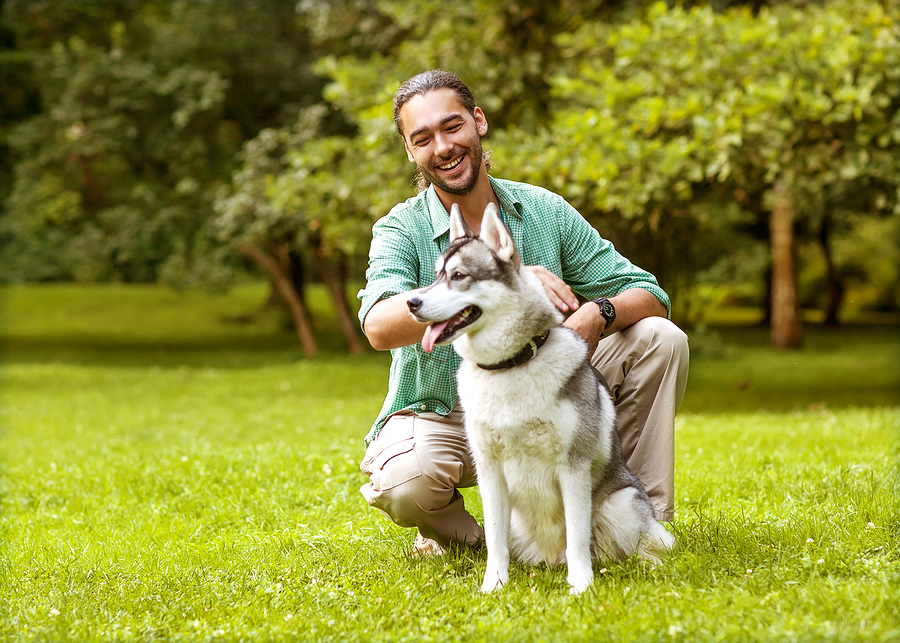
Dogs have walked beside humans for thousands of years, earning their place as one of the most trusted and beloved companions in history. Known for their loyalty, intelligence, and emotional sensitivity, dogs are far more than pets—they are family members, helpers, and friends.
Understanding the Dog
A dog is a domesticated mammal valued for companionship, work, and protection. Over time, selective breeding has shaped dogs into a wide range of sizes, temperaments, and abilities, making them adaptable to nearly every lifestyle.
Key Traits of Dogs
-
Highly social and form strong bonds with humans
-
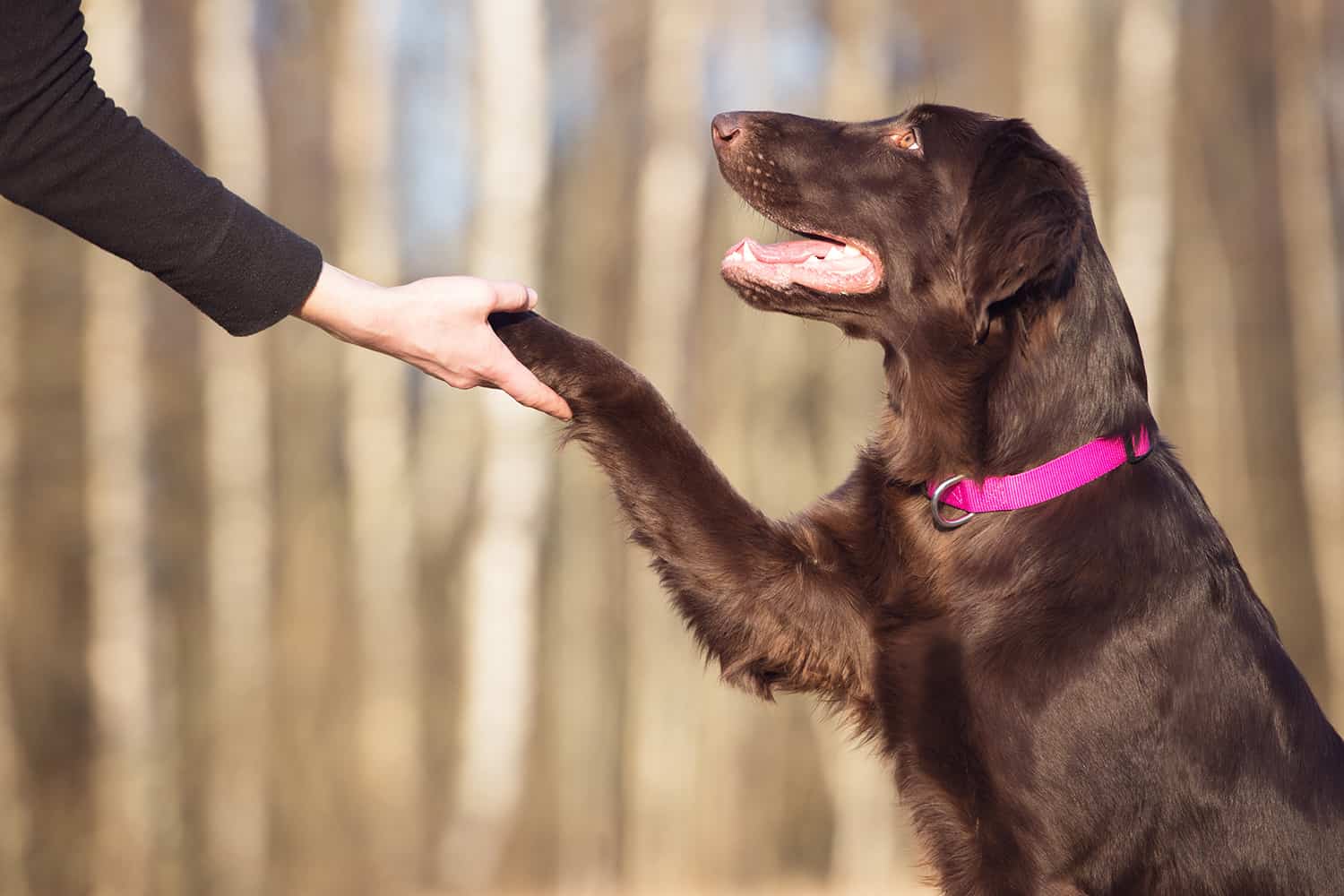
Intelligent, capable of learning commands and routines
-
Emotionally aware, often responding to human moods
-
Physically diverse, ranging from tiny toy breeds to large working dogs
The History of Dogs and Humans
Dogs are believed to have evolved from ancient wolves that formed mutually beneficial relationships with early humans. In exchange for food and shelter, these early dogs offered protection and assistance in hunting.
Over generations, this partnership deepened, leading to the diverse dog breeds we see today—each developed for specific tasks such as herding, guarding, hunting, or companionship.
Popular Roles Dogs Play Today
Dogs continue to serve humans in many meaningful ways:
-
Companion animals providing emotional support and friendship
-
Working dogs assisting in farming, security, and transportation
-
Service dogs helping individuals with disabilities
-
Therapy dogs offering comfort in hospitals, schools, and care centers
Dog Behavior and Communication
Dogs communicate through a mix of body language, vocal sounds, and facial expressions. Understanding these signals helps build trust and prevents misunderstandings.
Common Signals to Watch For
-
Tail wagging can signal happiness or excitement
-
Ears pinned back may indicate fear or submission
-
Growling is often a warning, not aggression
-
Relaxed posture suggests comfort and confidence
Caring for a Dog Properly
Responsible dog ownership involves more than affection. Proper care ensures a healthy and happy life.
Essential Care Needs
-
Balanced nutrition suitable for age and size
-
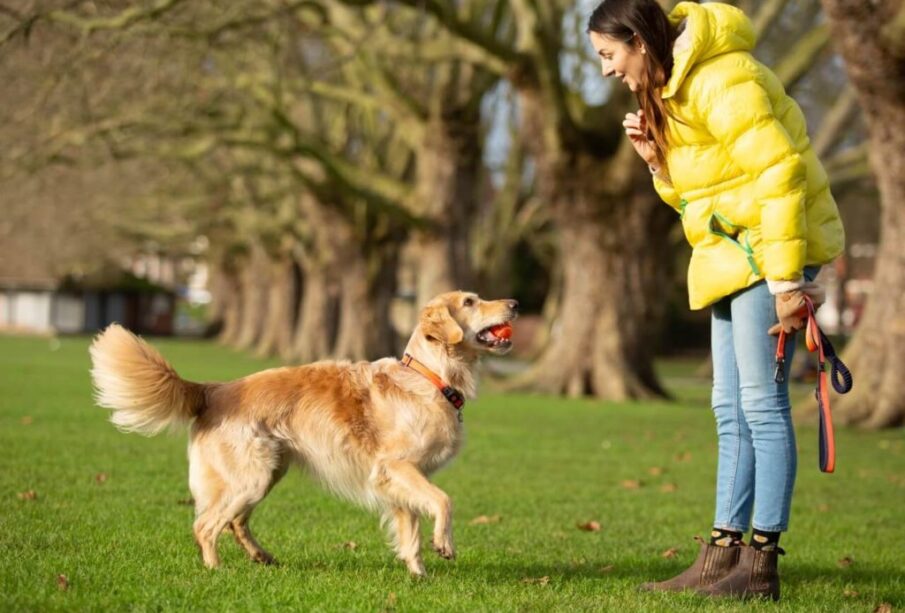
Regular exercise to maintain physical and mental health
-
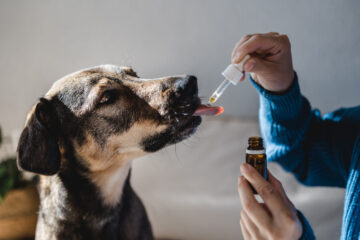
Veterinary checkups for vaccinations and preventive care
-
Training and socialization to encourage good behavior
The Emotional Bond Between Dogs and Humans
Dogs are remarkably attuned to human emotions. Studies and everyday experience show that dogs can sense stress, sadness, and joy, often responding with comforting behavior. This deep emotional connection is one reason dogs are widely recognized for improving mental well-being and reducing loneliness.
Why Dogs Make Exceptional Pets
Dogs stand out among pets because of their unique blend of loyalty, adaptability, and affection. Whether living in a city apartment or a rural home, there is a dog suited to nearly every environment and personality.
Their greatest gift is simple: unconditional love.
Frequently Asked Questions (FAQs)
1. How long does a dog usually live?
Most dogs live between 10 to 15 years, though lifespan varies by breed, size, and overall care.
2. Can dogs recognize their owners after long periods?
Yes, dogs have strong memory associations and can recognize familiar people even after long separations.
3. Do dogs understand human language?
Dogs don’t understand language like humans do, but they can learn the meaning of many words, tones, and gestures.
4. Is it necessary to train a dog even if it stays indoors?
Absolutely. Training improves safety, communication, and the overall relationship, regardless of living space.
5. How much exercise does a dog need daily?
Exercise needs vary, but most dogs benefit from 30 minutes to 2 hours of daily activity depending on breed and age.
6. Can dogs sense danger?
Dogs have heightened senses and often react to unfamiliar sounds, smells, or behaviors that humans may not notice.
7. Why do dogs follow their owners everywhere?
This behavior is linked to bonding, loyalty, and curiosity, as dogs naturally prefer staying close to trusted humans.