How Wolves Maintain Balance Within Forest Ecosystems Naturally
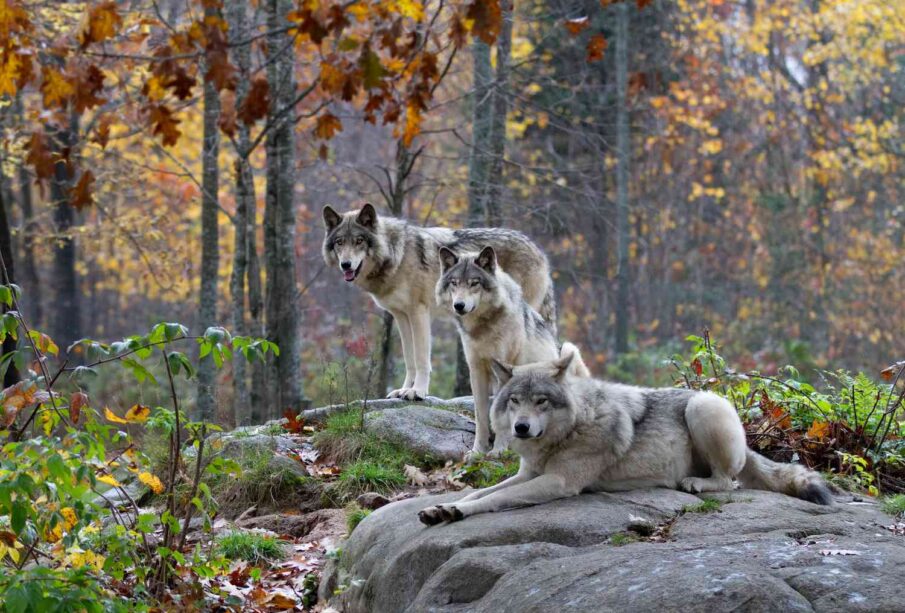
Wolves play a critical ecological role in forest ecosystems. Far beyond being apex predators, they act as natural regulators that influence animal populations, vegetation health, and even river systems. Their presence helps forests remain diverse, resilient, and balanced without human intervention.
Wolves as Apex Predators
As apex predators, wolves sit at the top of the food chain. This position allows them to naturally control prey populations and prevent ecological imbalance.
Key Predator Functions
-
Regulate populations of deer, elk, and moose
-
Remove weak, sick, or old animals from herds
-
Prevent overgrazing of vegetation
By keeping herbivore numbers in check, wolves stop forests from being stripped of young trees and plants.
Population Control and Healthy Prey Species
Wolves improve the overall health of prey populations through natural selection.
How This Happens
-
Target slower or weaker animals
-
Reduce spread of disease among herds
-
Encourage stronger genetic traits in prey
This selective pressure ensures prey species remain healthy and adaptable to environmental changes.
The Trophic Cascade Effect
One of the most powerful ways wolves maintain balance is through a process known as a trophic cascade.
Effects of Trophic Cascades
-
Herbivores avoid overgrazing certain areas
-
Trees and shrubs regenerate more effectively
-
Increased plant growth supports birds and insects
Even the behavior of prey changes, allowing overused forest areas time to recover naturally.
Impact on Vegetation and Forest Growth
With fewer herbivores feeding unchecked, forests experience improved vegetation diversity.
Vegetation Benefits
-
Young trees survive and mature
-
Native plants thrive without constant grazing pressure
-
Forest undergrowth becomes denser and healthier
This vegetation growth strengthens soil stability and prevents erosion.
Supporting Biodiversity Across Species
Wolves indirectly support many other species within the forest.
Biodiversity Contributions
-
Carcasses provide food for scavengers like ravens and foxes
-
Increased plant life supports insects and small mammals
-
Stronger ecosystems attract birds and predators
A single wolf pack can positively influence dozens of interconnected species.
Influence on Riverbanks and Soil Health
Healthy forests lead to healthier waterways, and wolves contribute to this connection.
Environmental Improvements
-
Vegetation stabilizes riverbanks
-
Reduced erosion improves water quality
-
Cooler, shaded streams support aquatic life
These changes demonstrate how predators can influence entire landscapes, not just animal populations.
Wolves and Natural Ecosystem Resilience
Ecosystems with wolves are often more resilient to climate change, disease, and invasive species.
Long-Term Benefits
-
Balanced food webs
-
Stronger forest regeneration
-
Reduced risk of population collapse
Wolves help forests adapt naturally without artificial population control.
Conservation Importance of Wolves
Despite their value, wolves have faced centuries of persecution and habitat loss.
Conservation Challenges
-
Human–wildlife conflict
-
Habitat fragmentation
-
Misinformation about wolf behavior
Protecting wolves is not just about saving a species—it is about preserving ecosystem health.
Frequently Asked Questions (FAQ)
1. Why are wolves important to forest ecosystems?
Wolves regulate prey populations, promote vegetation growth, and support biodiversity through natural predation.
2. What happens when wolves disappear from a forest?
Herbivore populations often explode, leading to overgrazing, forest degradation, and loss of biodiversity.
3. Do wolves only affect large animals?
No, their influence extends to plants, insects, birds, scavengers, and even river systems.
4. How do wolves change prey behavior?
Prey animals avoid certain areas, allowing vegetation to recover and ecosystems to rebalance.
5. Are wolves dangerous to humans in forest areas?
Wolves rarely pose a threat to humans and typically avoid human contact.
6. Can forests recover without wolves?
Recovery is possible but slower and often requires human intervention, unlike natural wolf-driven balance.
7. How can humans help protect wolves?
Supporting conservation programs, protecting habitats, and promoting coexistence strategies help ensure wolf survival.