Caring for a Pet as an Older Adult: Keeping Tails Wagging and Spirits High

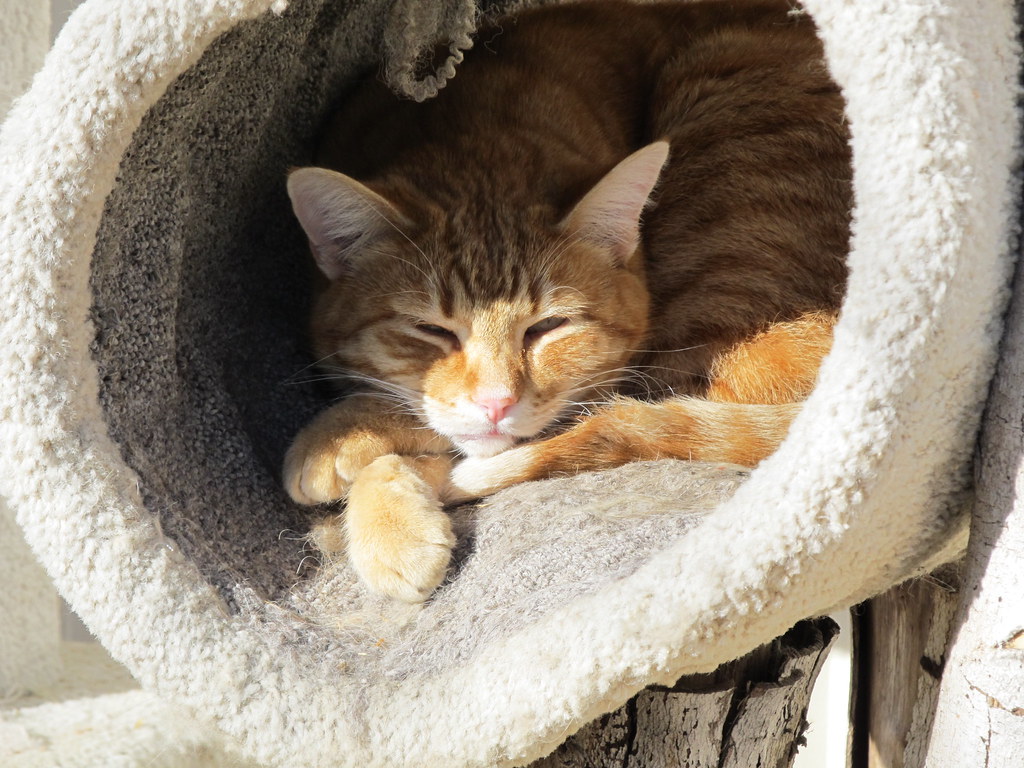
So, you’ve got a furry (or feathered, or maybe even scaly) friend keeping you company in your golden years. Maybe your dog is still the first face you see every morning, or your cat stakes a claim to the best sunbeam in the house. No matter where you live—spacious house, condo, or assisted living community—there’s just nothing like that warm, unconditional friendship a pet brings. But let’s be real: caring for a pet as you get older sometimes takes a few tweaks and a little extra planning.
Pick the Pet That Fits Your Life
If you’re just thinking about adopting a new best friend, think about your current lifestyle and energy level. Smaller breeds can be great for people who want a lap companion and easy walks. Cats or small birds are often lower-maintenance if you’re not up for chasing tennis balls daily. It’s not just about what you’re able to handle today, but what’s realistic a few years from now, too.
Look for pet breeds or species that thrive in calm, indoor environments—think purring cats, older rescue pups, or even gentle rabbits.
Keep Up with Vet Visits And Watch for Changes
Routine checkups are your secret weapon. Pets age with us, and just like we might need reading glasses or extra vitamins, they might need new diets or treatments, too. Keep an eye out for shifts in appetite, mood, or behavior. Sometimes changes are subtle (like your cat sleeping more), so jotting little notes can help you catch anything early.
Many veterinary clinics will even do home visits or offer transportation services for seniors who don’t drive.
Make Daily Care Simple and Safe
Sometimes, the daily realities get tricky. Heavy food bags, tough-to-open cans, or steep stairs are bigger deals than they used to be. Look for pet gear that’s lighter, easier to handle, and safe—automatic feeders, raised bowls, and non-slip mats all help more than you’d expect. If your pet needs walks, recruit a neighbor or even a young family member to help out during tough weather or low-energy days.
If you live in an assisted living community, ask the staff about any pet support they offer. Some communities provide walking services, pet-sitting, or even group play times—a win for both you and your animal friend. PetMD has tips on everything from managing medication to safe play for older adults.
Plan for the What-Ifs
None of us likes to think about getting sick or being away from home, but it’s smart to have a backup plan. Share feeding instructions, vet info, and your pet’s quirks with a trusted friend or neighbor. Keep supplies and lists in one spot. This way, if you need a hospital stay or a little extra recovery time, your pet’s care continues without a hitch.
Enjoy Every Moment
The companionship, joy, and purpose that pets give can’t be overstated. With a little practical planning, older adults can give their pets happy, healthy lives for years—snuggles, loud purrs, and silly games included. So don’t sweat the small changes. Just focus on making the most of the time together, because honestly, that’s what matters most.