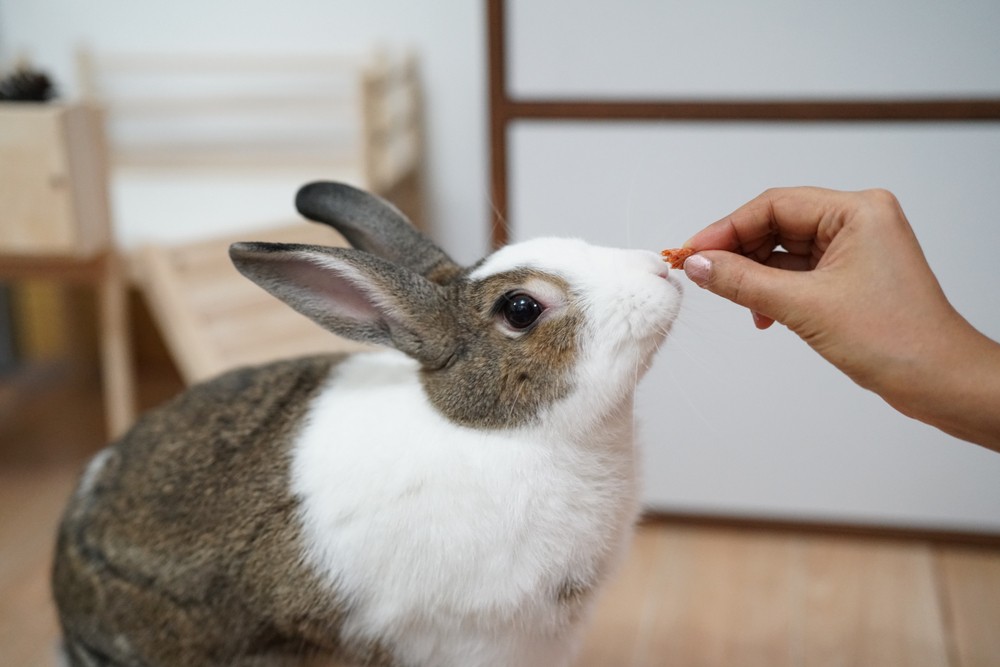
Pet: A Complete Guide to Caring for Your Companion Animal

Pets hold a special place in human lives. They offer companionship, emotional support, and even measurable health benefits. Whether you share your home with a dog, cat, bird, or small animal, responsible pet ownership goes far beyond affection—it involves daily care, long-term commitment, and understanding your pet’s needs.
Understanding What a Pet Truly Needs
Every pet, regardless of species, relies on humans for survival and well-being. While needs vary, the foundation of good pet care remains consistent.
Basic Needs of All Pets
-
Nutritious food appropriate for age and species
-
Clean water available at all times
-
Safe shelter with protection from heat, cold, and hazards
-
Regular veterinary care, including vaccinations
-
Mental stimulation and social interaction
Meeting these needs consistently builds trust and helps pets live longer, healthier lives.
Popular Types of Pets and Their Care Requirements
Choosing a pet should align with your lifestyle, space, and time availability.
Dogs
Dogs are highly social animals that thrive on interaction and routine.
-
Require daily exercise and training
-
Need social bonding to prevent anxiety
-
Benefit from structured schedules
Cats
Cats are more independent but still need attentive care.
-
Prefer clean, quiet environments
-
Require enrichment like scratching posts and toys
-
Need regular grooming, especially long-haired breeds
Small Pets (Rabbits, Hamsters, Guinea Pigs)
These pets are ideal for limited spaces.
-
Need species-specific diets
-
Require proper cage hygiene
-
Are sensitive to temperature and handling
Birds and Fish
Though often underestimated, they need specialized care.
-
Birds require mental stimulation and social time
-
Fish depend on clean water conditions and proper tank setup
The Emotional and Health Benefits of Having a Pet
Scientific studies consistently show that pets improve quality of life.
Key Benefits Include
-
Reduced stress and anxiety
-
Improved heart health through routine activity
-
Increased sense of purpose and routine
-
Enhanced social interaction and emotional resilience
Pets also teach children responsibility, empathy, and patience.
Responsible Pet Ownership
Owning a pet is a long-term responsibility, not a temporary decision.
Essential Responsibilities
-
Training and socialization from an early age
-
Preventive healthcare, including parasite control
-
Time commitment for daily interaction
-
Financial planning for food, care, and emergencies
Responsible ownership ensures pets live with dignity and comfort.
Creating a Pet-Friendly Home
Your living space plays a crucial role in your pet’s safety.
Tips for a Safer Environment
-
Remove toxic plants and chemicals
-
Secure electrical cords and small objects
-
Provide designated resting and feeding areas
-
Use pet-safe cleaning products
A well-prepared home reduces accidents and stress for both pet and owner.
Common Mistakes New Pet Owners Make
Avoiding common pitfalls helps prevent behavioral and health issues.
-
Underestimating time and cost commitments
-
Skipping routine vet visits
-
Overfeeding or improper diet choices
-
Ignoring behavioral warning signs
Learning continuously is part of being a good pet parent.
Frequently Asked Questions (FAQ)
1. How do I choose the right pet for my lifestyle?
Consider your daily schedule, living space, financial ability, and energy level before deciding.
2. How often should a pet visit the veterinarian?
Most pets need at least one annual checkup, while puppies, kittens, and seniors may require more frequent visits.
3. Can pets help improve mental health?
Yes, pets are known to reduce stress, loneliness, and symptoms of depression through companionship.
4. What is the biggest responsibility of owning a pet?
Consistency—providing daily care, attention, and medical support throughout the pet’s life.
5. Are indoor pets healthier than outdoor pets?
Indoor pets generally face fewer risks, but they still need enrichment and exercise to stay healthy.
6. How can I tell if my pet is unhappy or stressed?
Changes in appetite, behavior, or activity level are common signs that should not be ignored.
7. Is adopting a pet better than buying one?
Adoption gives animals a second chance and often includes initial medical care, making it a responsible option.