
Elephant: The Gentle Giant of the Animal Kingdom
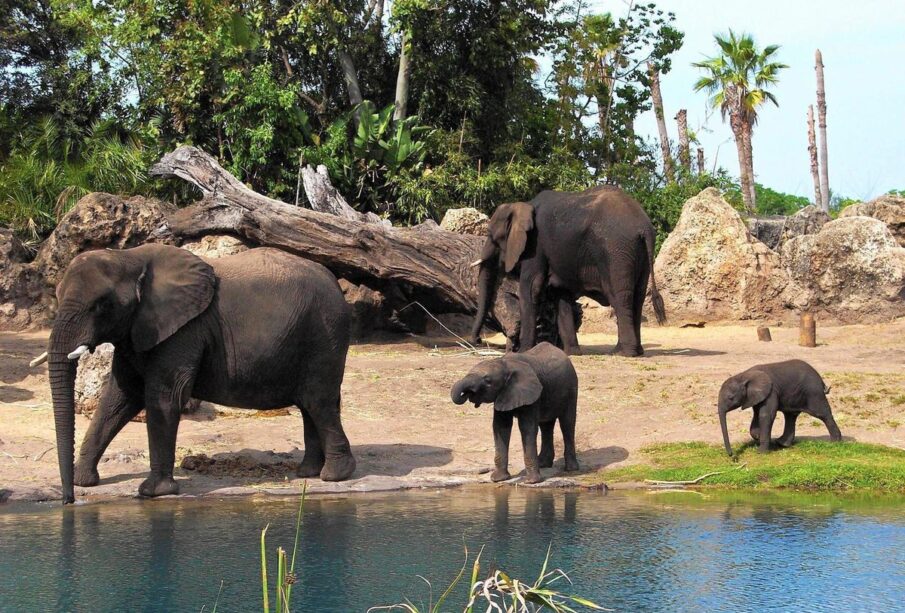
Elephants are among the most intelligent, emotional, and ecologically important animals on Earth. Known for their immense size and remarkable memory, these gentle giants have fascinated humans for centuries. From their complex social structures to their vital role in shaping ecosystems, elephants are far more than just the largest land animals alive today.
Physical Characteristics of Elephants
Elephants are instantly recognizable due to their unique anatomy, which has evolved to support their massive bodies and versatile lifestyles.
Key Physical Features
-
Trunk: A multifunctional organ used for breathing, smelling, touching, grasping objects, and drinking water
-
Tusks: Elongated incisors used for digging, defense, and stripping bark from trees
-
Large ears: Help regulate body temperature by dissipating heat
-
Thick skin: Can be up to 2.5 cm thick, yet sensitive to touch and insects
An adult elephant can weigh between 3,000 to 6,000 kilograms and stand over 3 meters tall at the shoulder.
Habitat and Distribution
Elephants inhabit diverse environments, ranging from grasslands to dense forests. Their distribution largely depends on food availability and access to water.
Common Habitats Include
-
Savannas and grasslands
-
Tropical and subtropical forests
-
Marshes and riverbanks
They require vast territories, as a single elephant can consume up to 150 kilograms of vegetation daily.
Diet and Feeding Behavior
Elephants are herbivores with enormous appetites, which directly influence their surroundings.
Typical Diet
-
Grasses
-
Leaves
-
Bark
-
Fruits
-
Roots
By uprooting trees and dispersing seeds through their dung, elephants help maintain ecological balance and promote plant diversity.
Social Structure and Behavior
Elephants are deeply social animals with strong emotional bonds and advanced communication skills.
Social Highlights
-
Live in matriarchal herds led by the oldest female
-
Communicate using low-frequency sounds and body language
-
Display empathy, grief, and cooperative behavior
-
Protect and care for injured or young members
Their intelligence rivals that of dolphins and primates, making them one of the smartest animals in the wild.
Reproduction and Lifespan
Elephants have one of the longest gestation periods among mammals.
Reproductive Facts
-
Gestation lasts about 22 months
-
Usually give birth to one calf
-
Calves weigh around 90–120 kilograms at birth
In the wild, elephants can live 60–70 years, often guided by the wisdom of older herd members.
Importance to the Ecosystem
Elephants are often called keystone species because their actions significantly impact their environment.
Ecological Contributions
-
Create water holes used by other animals
-
Control vegetation growth
-
Disperse seeds over long distances
-
Maintain open habitats for smaller species
Without elephants, many ecosystems would undergo drastic and damaging changes.
Threats and Conservation Challenges
Despite their importance, elephants face serious threats primarily caused by human activity.
Major Threats
-
Illegal poaching for ivory
-
Habitat loss due to agriculture and urban expansion
-
Human–elephant conflict
-
Climate change affecting food and water availability
Conservation efforts focus on habitat protection, anti-poaching measures, and community-based coexistence programs.
Fascinating Facts About Elephants
-
Elephants can recognize themselves in mirrors
-
They mourn their dead and revisit bones
-
Their trunk contains over 40,000 muscles
-
They can communicate over distances of several kilometers
These traits highlight just how extraordinary these animals truly are.
Frequently Asked Questions (FAQ)
1. How strong is an elephant’s trunk?
An elephant’s trunk is strong enough to lift heavy logs yet delicate enough to pick up a single blade of grass.
2. Do elephants really have good memory?
Yes, elephants are known for exceptional memory, especially when recognizing locations, water sources, and individuals.
3. How much water does an elephant drink in a day?
An adult elephant can drink up to 200 liters of water daily, depending on climate and activity level.
4. Are elephants aggressive animals?
Elephants are generally calm and social, but they may become aggressive if threatened or protecting their young.
5. Why are elephant ears so large?
Their large ears help regulate body temperature by releasing excess heat.
6. How do elephants communicate with each other?
They use vocal sounds, infrasound, touch, body language, and even ground vibrations.
7. What can people do to help protect elephants?
Supporting conservation organizations, avoiding ivory products, and promoting sustainable land use all help protect elephants and their habitats.