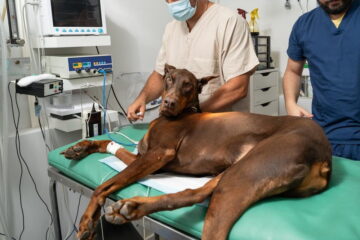
Veterinary Medicine: A Comprehensive Guide to Animal Healthcare
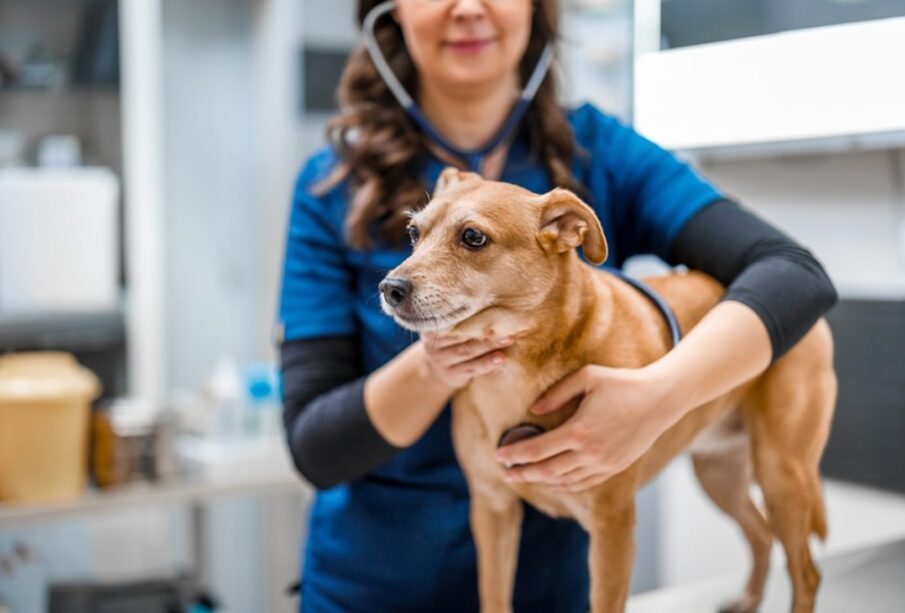
Veterinary medicine is a vital field dedicated to the health, welfare, and medical care of animals. From household pets to livestock and wildlife, veterinarians play a crucial role in ensuring animals live healthier, longer lives while also protecting public health and food safety.
This article explores the scope of veterinary medicine, common services, career pathways, and why veterinary care is essential in today’s world.
What Is Veterinary Medicine?
Veterinary medicine focuses on the diagnosis, treatment, and prevention of diseases in animals. It combines medical science, biology, and hands-on clinical skills to address both physical and behavioral health issues.
Veterinarians work with a wide range of species, including:
-
Companion animals such as dogs and cats
-
Farm animals like cattle, poultry, and sheep
-
Exotic pets and zoo animals
-
Wildlife and aquatic species
Their work often extends beyond clinics into farms, laboratories, research institutions, and public health organizations.
Importance of Veterinary Care
Veterinary care is not only about treating sick animals. It also plays a significant role in preventive healthcare and disease control.
Key reasons veterinary care is essential include:
-
Early disease detection, improving treatment outcomes
-
Prevention of zoonotic diseases that can spread to humans
-
Animal welfare and ethical care
-
Food safety and quality assurance in livestock production
By maintaining animal health, veterinarians indirectly support human health and environmental stability.
Common Veterinary Services
Veterinary clinics and hospitals offer a broad range of services tailored to animal needs.
Preventive Care
Preventive medicine is the foundation of long-term animal health and includes:
-
Routine health check-ups
-
Vaccinations
-
Parasite control (fleas, ticks, worms)
-
Nutritional counseling
Diagnostic Services
Accurate diagnosis is critical for effective treatment. Common diagnostic tools include:
-
Blood and laboratory tests
-
X-rays and ultrasound imaging
-
Urinalysis and fecal exams
Medical and Surgical Treatment
Veterinarians manage both minor and complex medical conditions, such as:
-
Infections and chronic illnesses
-
Injury treatment
-
Soft tissue and orthopedic surgeries
-
Emergency and critical care
Behavioral and Lifestyle Support
Modern veterinary care also addresses behavioral health, helping animals and owners manage issues like anxiety, aggression, and stress-related behaviors.
Veterinary Specializations
Veterinary medicine offers diverse specialization options for professionals seeking advanced expertise.
Some common specialties include:
-
Small animal practice (pets and companion animals)
-
Large animal or livestock practice
-
Veterinary surgery
-
Veterinary dermatology
-
Pathology and diagnostic medicine
-
Public health and epidemiology
Specialization allows veterinarians to focus deeply on specific animal populations or medical disciplines.
Career Path in Veterinary Medicine
Becoming a veterinarian requires dedication, education, and compassion for animals.
The general pathway includes:
-
Completing a relevant undergraduate degree
-
Earning a professional veterinary degree
-
Obtaining licensure and clinical training
-
Pursuing specialization or continuing education
Veterinary professionals can work as clinicians, researchers, educators, inspectors, or consultants across public and private sectors.
Challenges in the Veterinary Field
While rewarding, veterinary medicine comes with its own challenges:
-
Physically demanding work environments
-
Emotional stress from treating critically ill animals
-
Balancing animal care with client expectations
-
Long working hours, especially in emergency settings
Despite these challenges, many veterinarians find deep fulfillment in improving animal lives and supporting communities.
The Future of Veterinary Medicine
Advancements in technology and research continue to shape the future of veterinary care. Innovations such as telemedicine, advanced imaging, regenerative therapies, and precision nutrition are transforming how animals are diagnosed and treated.
Growing awareness of animal welfare and preventive healthcare is also increasing demand for skilled veterinary professionals worldwide.
Frequently Asked Questions (FAQs)
1. How often should pets visit a veterinarian?
Most pets should have a routine check-up at least once a year, while senior pets may require more frequent visits.
2. What is the difference between a veterinarian and a veterinary technician?
A veterinarian diagnoses and treats medical conditions, while a veterinary technician assists with clinical procedures and patient care.
3. Are vaccinations necessary for indoor pets?
Yes, indoor pets can still be exposed to diseases, making core vaccinations important for their protection.
4. What animals do veterinarians treat besides dogs and cats?
Veterinarians may treat livestock, birds, reptiles, wildlife, aquatic animals, and exotic pets depending on their training.
5. Is veterinary care expensive?
Costs vary based on services and location, but preventive care often reduces long-term expenses by avoiding serious illnesses.
6. Can veterinarians help with animal behavior problems?
Yes, many veterinarians provide behavioral guidance or refer cases to specialists when needed.
7. What skills are essential for a successful veterinary career?
Strong clinical knowledge, communication skills, empathy, problem-solving ability, and physical stamina are all essential.