
Veterinary Care: Understanding the Science Behind Animal Health
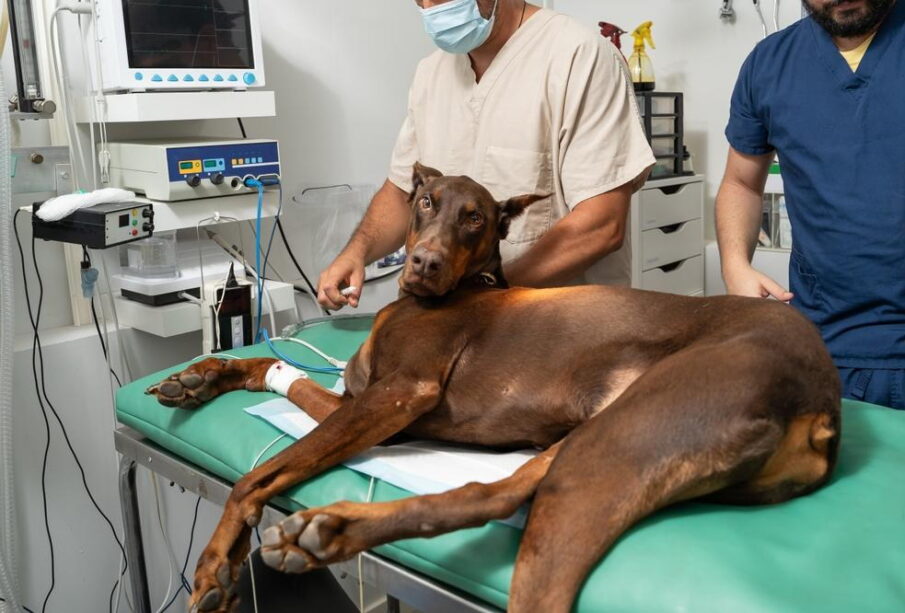
Veterinary care is a specialized branch of medical science focused on protecting, restoring, and maintaining animal health. It supports the well-being of pets, livestock, and wildlife while also contributing to public health and food safety. As human–animal relationships continue to evolve, the role of veterinary professionals has become more important than ever.
This article provides a clear overview of veterinary medicine, its services, career opportunities, and its growing relevance in modern society.
Overview of Veterinary Medicine
Veterinary medicine involves the prevention, diagnosis, and treatment of diseases in animals. It blends clinical practice with research, biology, and animal welfare principles.
Veterinarians work across multiple environments, including:
-
Private clinics and animal hospitals
-
Farms and agricultural facilities
-
Research laboratories
-
Zoos, wildlife reserves, and aquariums
Their responsibilities extend beyond treatment to include education, disease prevention, and health monitoring.
Why Veterinary Care Matters
Veterinary care plays a crucial role in maintaining both animal and human health. Healthy animals contribute to safer food systems, balanced ecosystems, and improved quality of life for pet owners.
Major benefits of veterinary care include:
-
Disease prevention through vaccinations and screenings
-
Control of infectious and zoonotic diseases
-
Improved animal welfare and longevity
-
Support for livestock productivity and food quality
Preventive veterinary care often reduces the risk of severe illnesses and costly treatments later.
Core Veterinary Services
Veterinary facilities offer a wide range of services designed to address different stages of an animal’s life.
Preventive Healthcare
Preventive services help detect health issues early and maintain long-term wellness:
-
Routine physical examinations
-
Vaccination programs
-
Parasite prevention and control
-
Dietary and weight management guidance
Diagnostic and Laboratory Services
Advanced diagnostic tools allow veterinarians to identify medical conditions accurately:
-
Blood testing and pathology analysis
-
Imaging such as X-rays and ultrasound
-
Urine and stool examinations
Treatment and Surgical Care
Veterinarians manage both medical and surgical conditions, including:
-
Acute and chronic illnesses
-
Injury management
-
Spaying, neutering, and advanced surgeries
-
Emergency and intensive care
Behavioral and Wellness Support
Animal health also includes emotional and behavioral well-being. Veterinary guidance can help address:
-
Anxiety and stress-related behaviors
-
Aggression or fear responses
-
Environmental and lifestyle adjustments
Veterinary Specialties and Practice Areas
Veterinary medicine offers multiple specialization paths for focused expertise.
Common areas of specialization include:
-
Companion animal practice
-
Livestock and production animal medicine
-
Veterinary surgery and anesthesiology
-
Diagnostic pathology
-
Public health and disease control
-
Wildlife and exotic animal care
Specialized training allows veterinarians to deliver advanced and targeted care.
Educational Path and Career Opportunities
A career in veterinary medicine requires academic commitment and hands-on training.
The typical journey includes:
-
Undergraduate studies in biological sciences
-
Completion of a professional veterinary degree
-
Licensing and supervised clinical experience
-
Continuing education or specialization
Veterinary graduates may work as clinicians, researchers, educators, inspectors, or consultants across diverse industries.
Challenges Within the Veterinary Profession
While fulfilling, veterinary medicine presents unique challenges:
-
Physically demanding clinical work
-
Emotional strain from critical cases and end-of-life care
-
High responsibility in medical decision-making
-
Long and irregular working hours
Despite these demands, many professionals find the career deeply rewarding due to its meaningful impact.
Advancements Shaping the Future of Veterinary Care
Technological progress continues to transform veterinary medicine. Innovations such as digital diagnostics, minimally invasive surgery, teleconsultations, and personalized nutrition plans are improving outcomes and accessibility.
Greater awareness of animal welfare and preventive healthcare is also driving growth in veterinary services worldwide.
Frequently Asked Questions (FAQs)
1. What animals are treated by veterinarians?
Veterinarians care for pets, farm animals, birds, reptiles, wildlife, and aquatic species, depending on their expertise.
2. How often should animals receive veterinary check-ups?
Most animals benefit from annual exams, while older or medically vulnerable animals may need more frequent visits.
3. Do veterinarians only treat sick animals?
No, a significant part of veterinary care focuses on prevention, wellness, and early disease detection.
4. Is veterinary medicine only about clinical work?
Veterinary careers also include research, teaching, public health, food safety, and regulatory roles.
5. Can veterinary care improve an animal’s lifespan?
Yes, regular preventive care and early treatment significantly enhance both lifespan and quality of life.
6. What role do veterinarians play in public health?
They help prevent disease transmission from animals to humans and ensure food safety standards.
7. Is veterinary medicine a growing career field?
Yes, demand continues to rise due to increased pet ownership, livestock management needs, and animal welfare awareness.